GAME DESIGN
Forgotten Runiverse
ABOUT
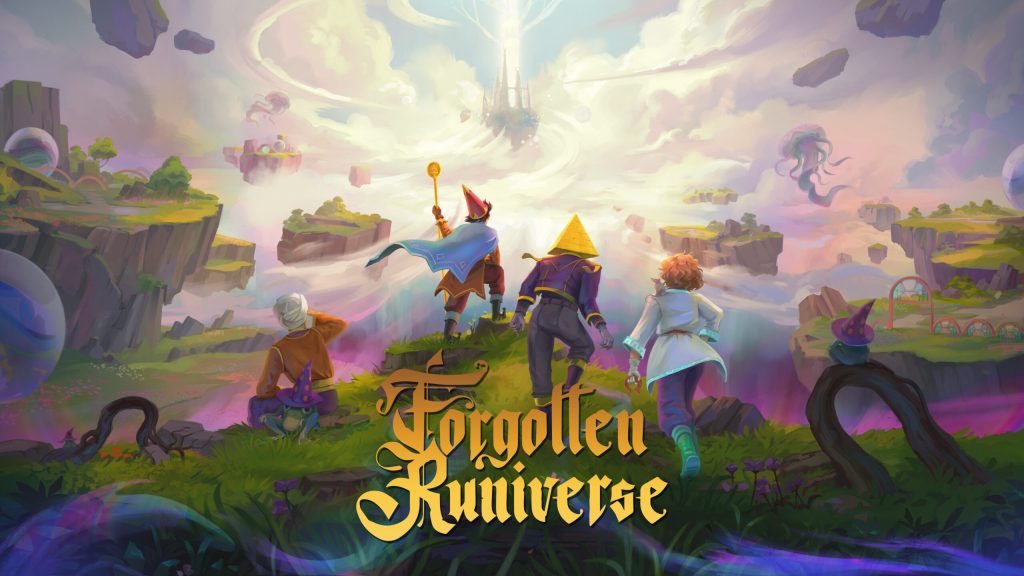
Forgotten Runiverse was a web-based pixel art MMORPG with blockchain integration in which Players could explore the largest pixel-art world ever made (over 180.000 km²) to complete Quests, delve into Dungeons and battle in PvP matches.
The IP was based around an online community that had been creating and sharing stories in the world of the Forgotten Runes, building out a sprawling and diverse array of lore.
MY ROLE
As Narrative Designer, I had six roles on the project: Maintaining narrative continuity across the game and with the IP, naming and describing in-game elements, writing character dialogue, consulting on integration of Narrative to UX and UI design, planning and writing Quests, and designing Dungeons (a major narrative element) alongside the Level Designers.
During the three years I spent on the project (development began a year before I was hired) my role gradually shifted focus, roughly in the order listed above, as additional Narrative Designers were hired and the various systems began more developed. We began broadly, with many discussions about how our product would relate to the existing community.
As the game world became more developed more and more on the specifics of Quest design, both in how they would be presented in to players and the specifics of what players would be doing. Alongside Quests we designed Dungeons, which would be re-playable instances where teams of players would work to secure the game’s best rewards.
NARRATIVE PHILOSOPHY
On Runiverse we strived to make the narrative elements as organic and emergent as possible, allowing players to discover the story simply by exploring the world and being curious. We opted for a system that gave clues and hints rather than holding their hands during Quests. By talking to NPCs or interacting with overworld objects they could find clues about Quests, both where to find them and how to complete them, and track those hints in their Journal.
For Dungeons we wanted to offer up a continuing sense of choice as players proceeded through various levels. Of course players would attempt to optimize Dungeon progress, so we aimed to properly incentivize differing paths by changing the challenges, rewards, and narrative revelations depending on how players proceeded through the Dungeon, encouraging different choices for each run of a Dungeon.
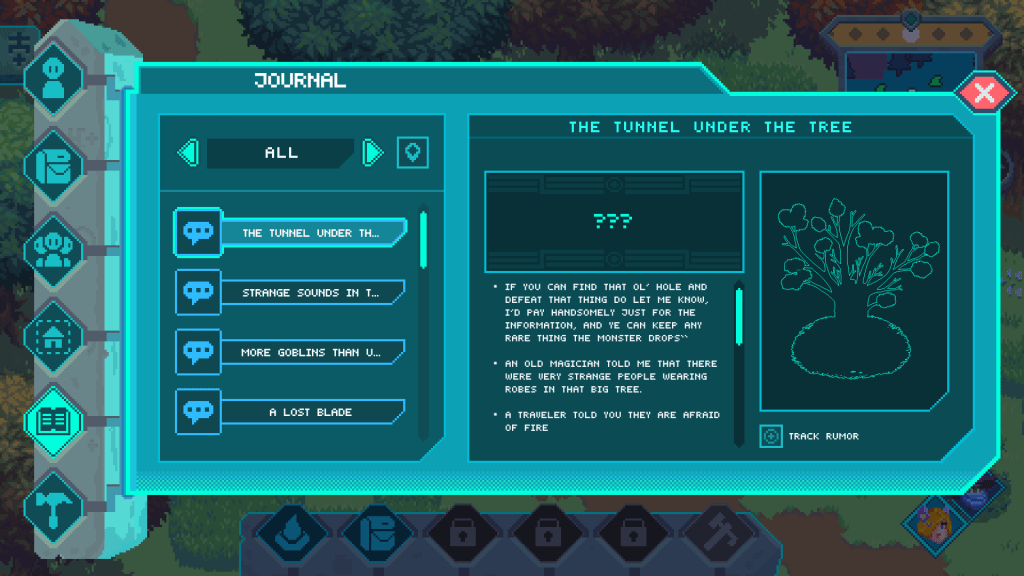
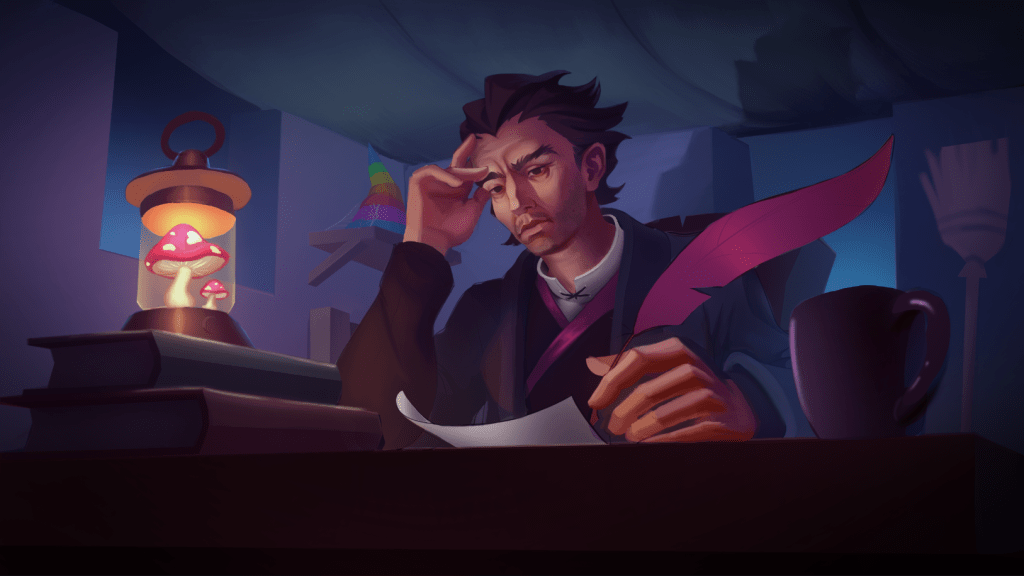
-The Journal offers clues related to Quests even before the Quest officially begins.
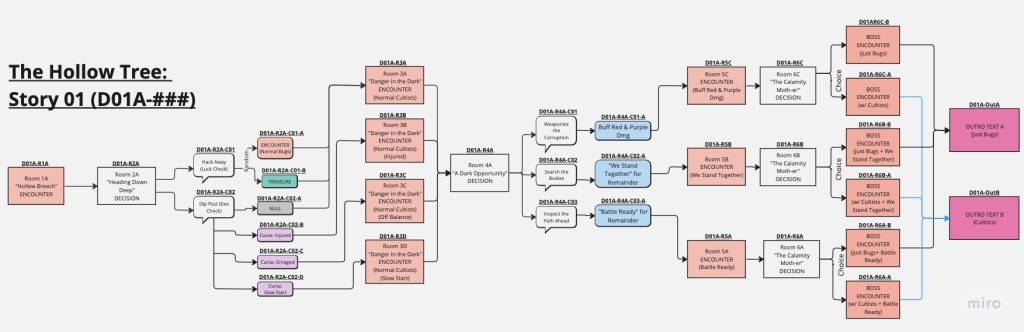
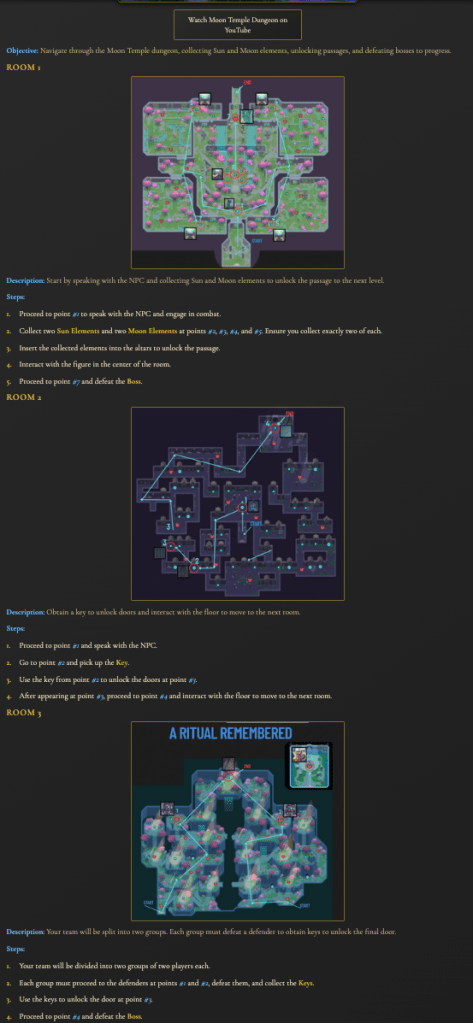
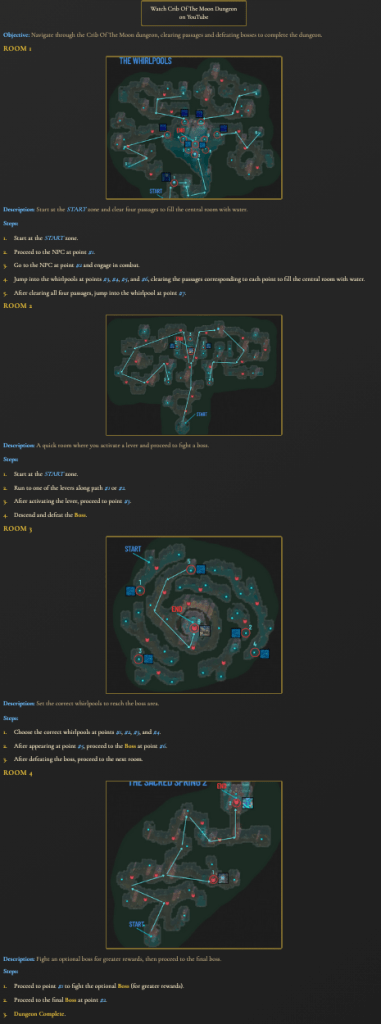
-Dungeons offer multiple opportunities for story related encounters. Many of these are optional.
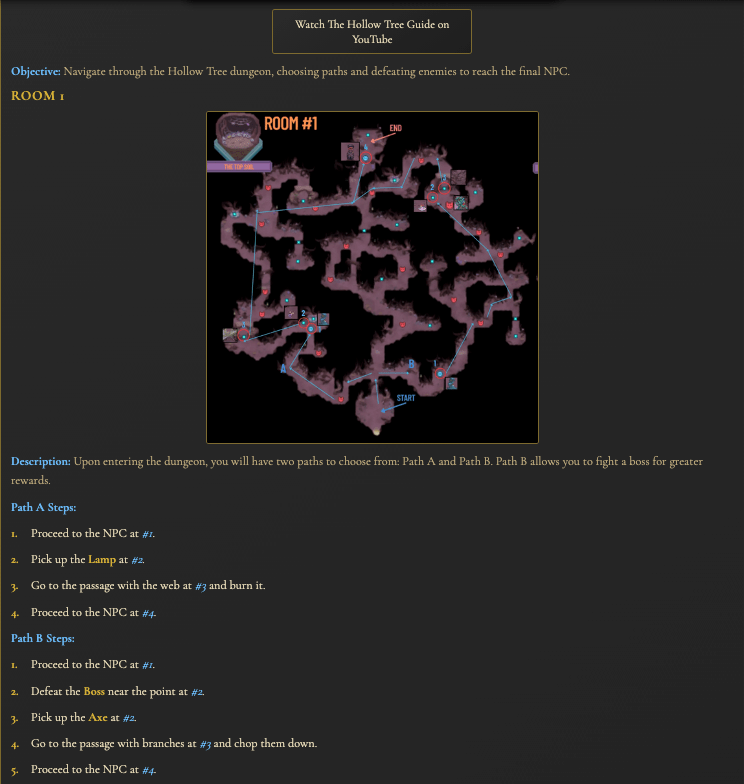
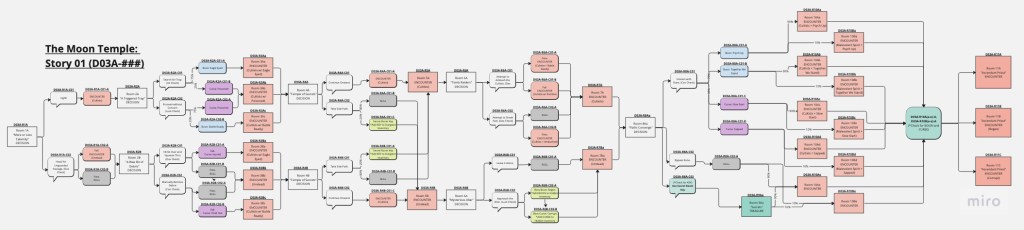
-Dungeon maps offer players multiple ways to navigate to the next level. Each dungeon is made of several levels. Some levels can only be reached by specific routes, requiring multiple playthroughs to see all the levels.
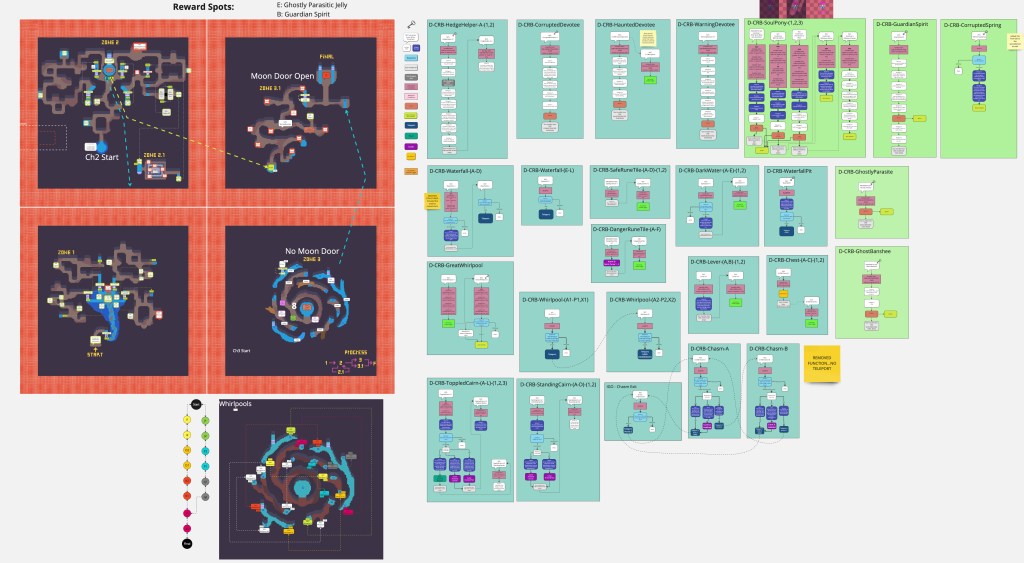
-Every interactable object of NPC in a dungeon has a visual layout that dictates it’s coding. Object coding for the Runiverse was done using an in-house custom tool.
——–
The Tiny Chef Show: Cooking with Fwends
Narrative Designer
ABOUT
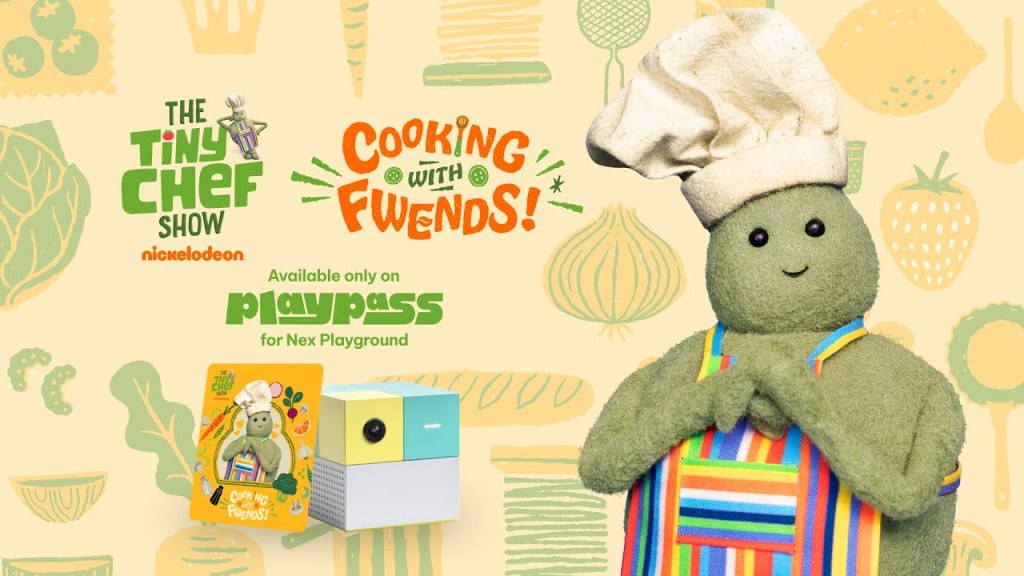
Cooking with Fwends is a New Playground console exclusive based on the Nickelodeon IP, The Tiny Chef Show. It is a motion-controlled cooking game with a focus on wholesomeness, cooperative play, and a dash of learning.
MY ROLE
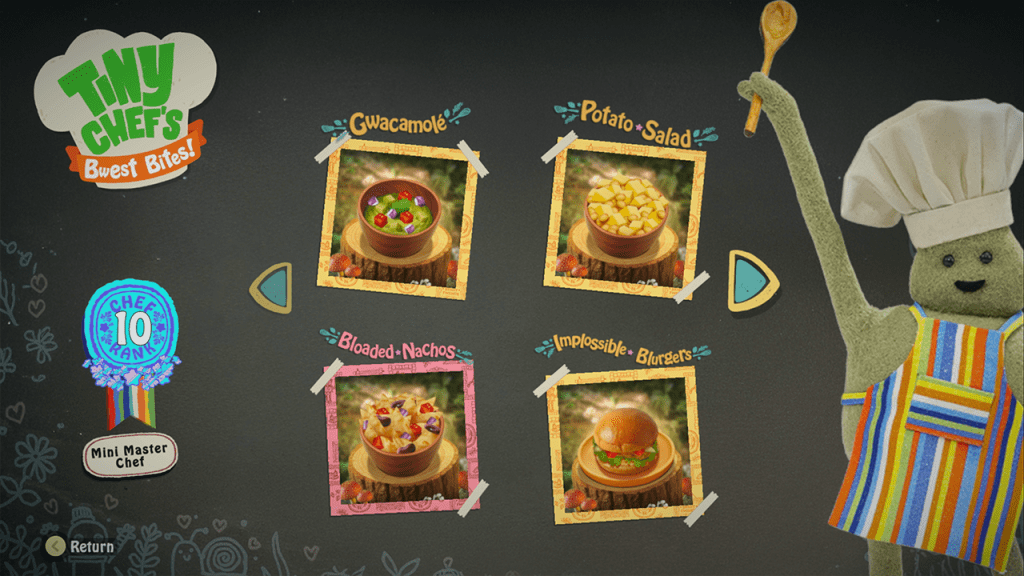
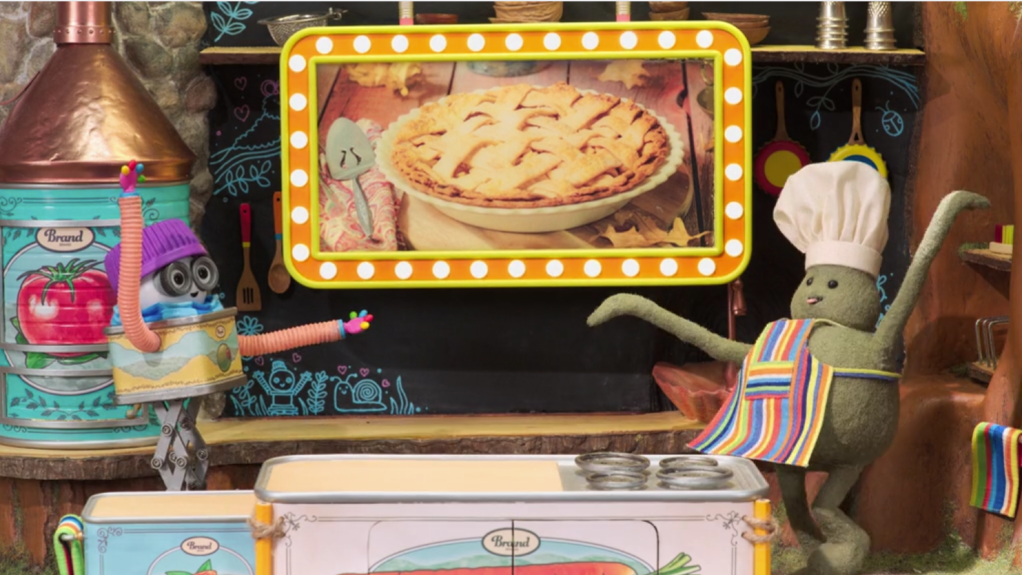
As Narrative Designer I had two major roles on this project: Naming and describing the game’s recipes in the style of Tiny Chef, and structuring a light narrative around which the game’s progression would revolve.
——–
Scions of Destiny: The Broken Crown
Co-creator/Game Director
ABOUT
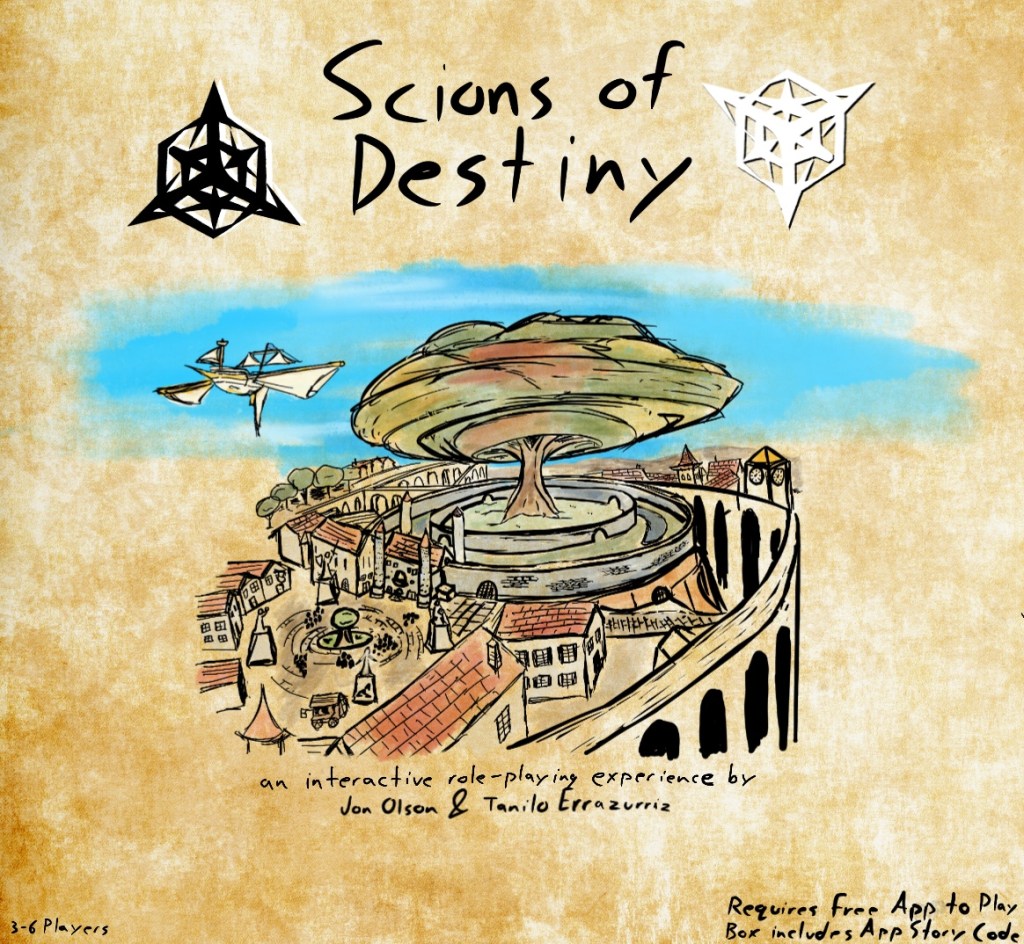
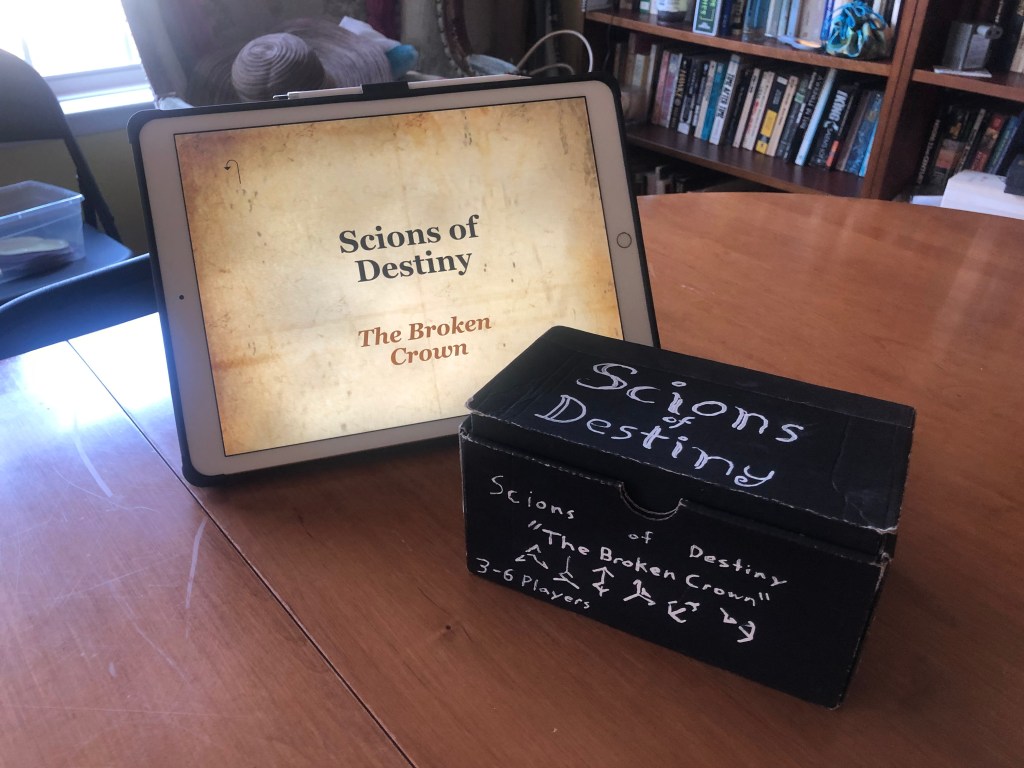
Scions of Destiny was a passion project, a physical deck-based role playing game that used an app to guide players through a decision oriented narrative. While the game did not reach release, we spent two years designing the structure and mechanics and produced a playable demo that represented the games starting chapter
The goal was to create a D&D style atmosphere without the need for a Game Master. The app would act as the Game Master and the players would work cooperatively to make their way through a sprawling branching narrative.
Some player decisions were made by voting, while others were made individually. Each character had a unique backstory and goal, encouraging players to push for their own objectives even as they must cooperate to survive the narrative.
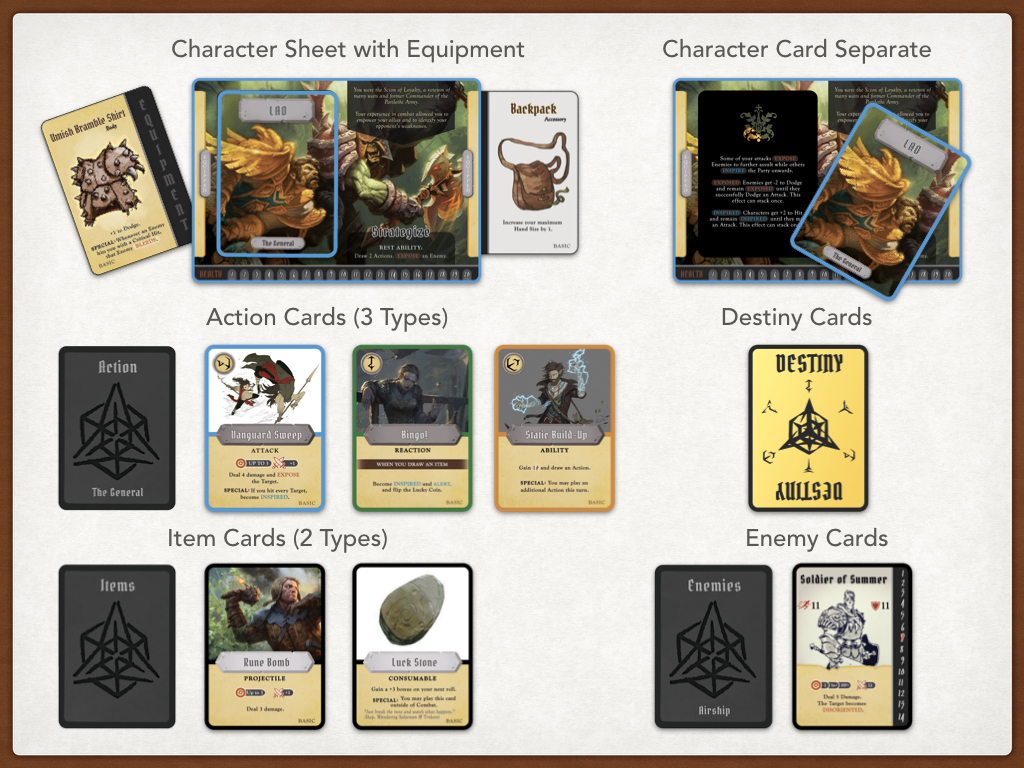
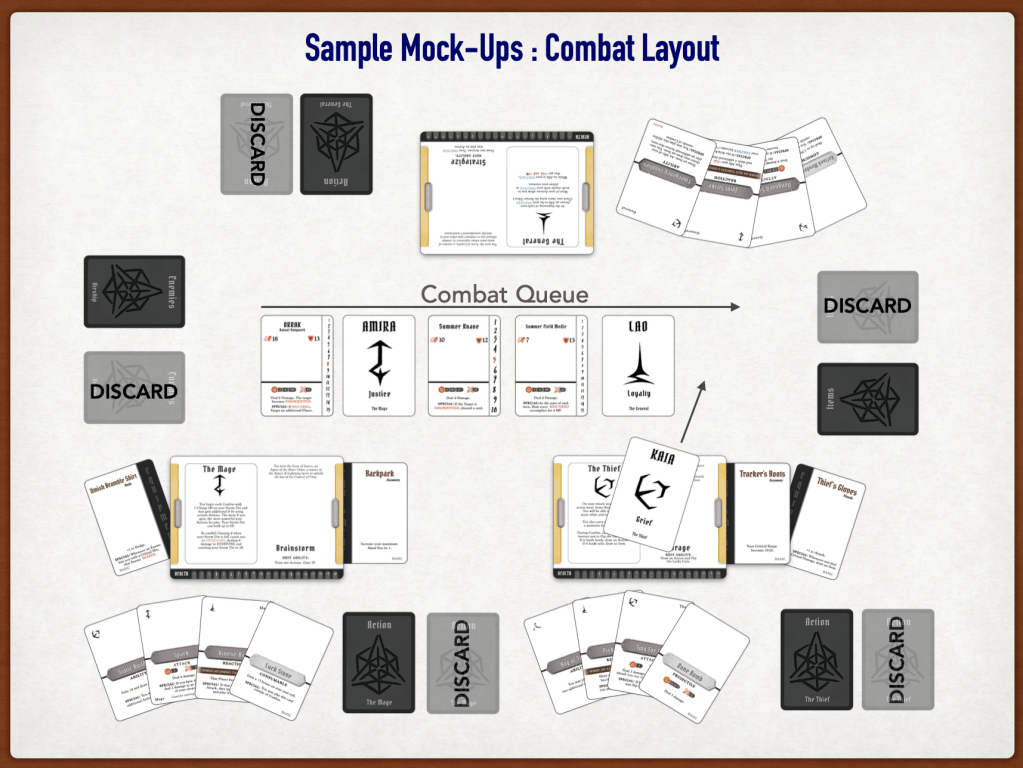
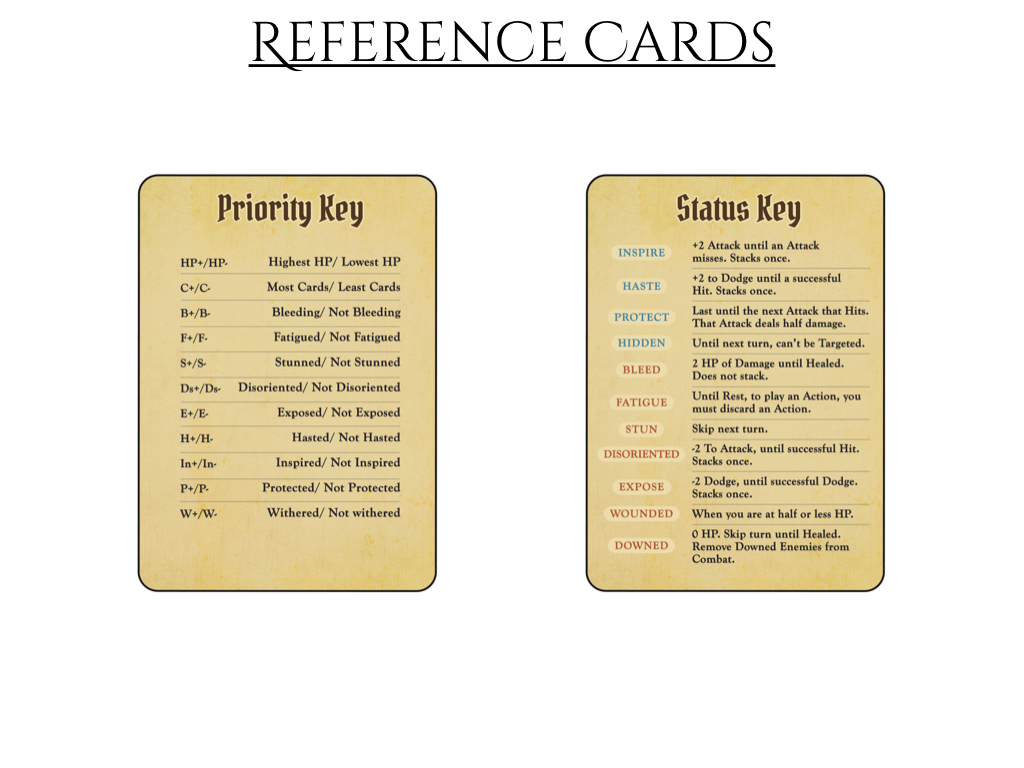
Combat was card based and fully cooperative, relying heavily on player combos to be effective. Enemy cards let players know how they operated and the app guided players through the tutorial process so that the game could be played without a long setup/learning process.
 Art in Paradox